
Why Choosing the Right Shower System Matters More Than You Think
A shower system is not just a visual upgrade. It directly affects comfort, usability, and long-term satisfaction.
Unlike smaller fixtures, it combines multiple components such as the shower head, controls, and sometimes handheld units. If one element is not compatible with your space or plumbing, the entire experience can feel compromised.
This is why taking a few key factors into account before buying makes a significant difference.
Understanding the Different Types of Shower Systems
Not all shower systems are built the same, and choosing the right type is the first step.
Concealed systems are integrated into the wall, offering a clean and minimal appearance. They are ideal for modern bathrooms but require more planning during installation.
Exposed systems are easier to install and maintain. They are often more practical in renovations or upgrades where changing internal plumbing is not an option.
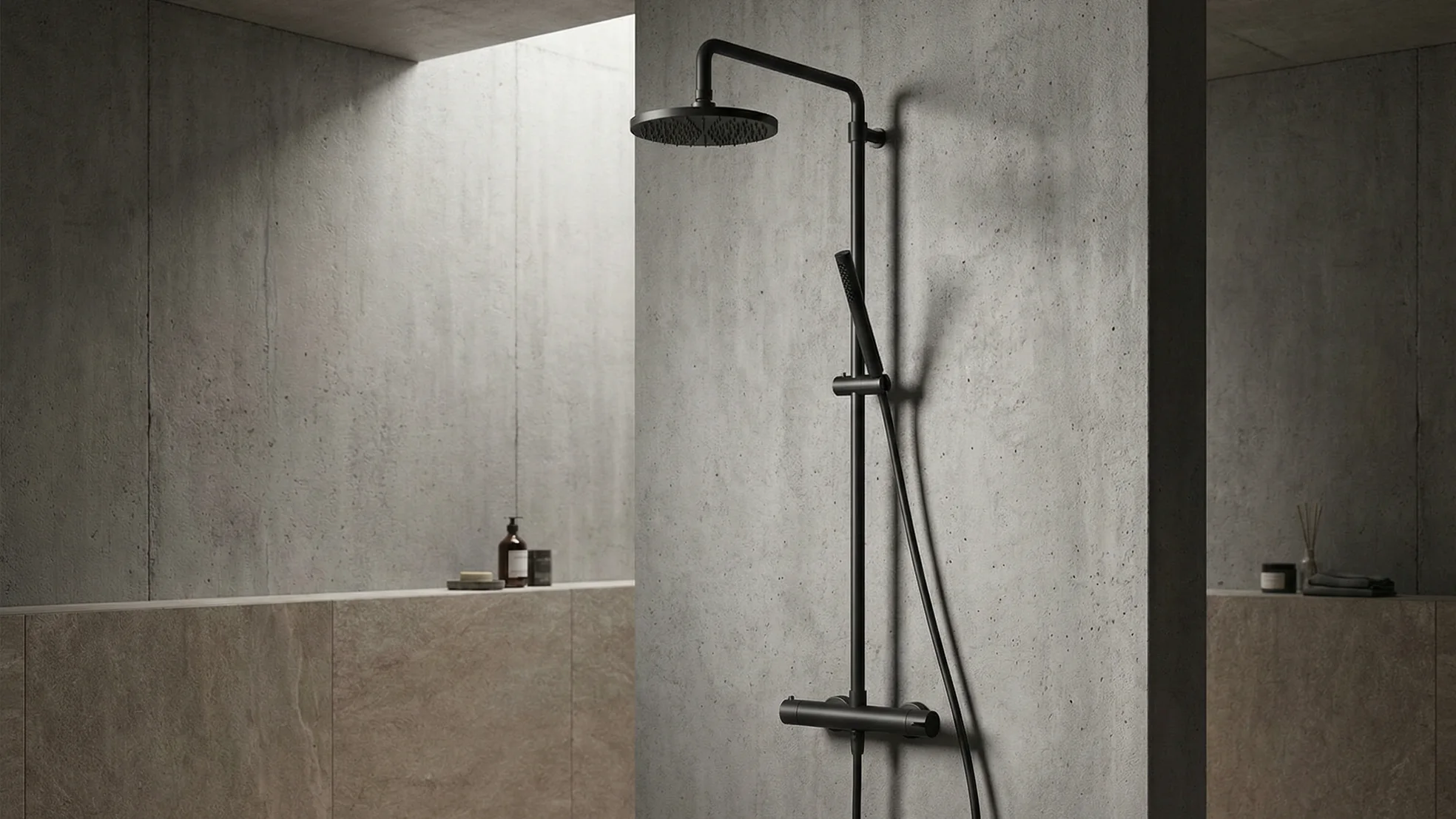
Dual systems combine rainfall and handheld showers, giving you both comfort and flexibility. This is often the most balanced solution for long-term use.
If you are still exploring styles, you can naturally explore modern shower systems designed for different layouts to better understand what fits your space.
How Water Pressure Shapes Your Shower Experience
Water pressure is one of the most important factors to get right.
Low pressure systems benefit from more focused shower heads, such as handheld options that concentrate water flow and maintain consistency.
High pressure systems allow rainfall showers to perform at their best, delivering that soft, even flow across a wider area.
Ignoring this factor is one of the most common reasons why a shower system feels underwhelming after installation.
Rainfall, Handheld or Both: What Works Best?
|
Feature |
Rainfall System |
Handheld System |
Dual System |
|
Experience |
Relaxing, spa-like |
Practical and controlled |
Balanced |
|
Flexibility |
Low |
High |
Very high |
|
Installation |
Moderate to complex |
Simple |
Moderate |
|
Best For |
Design-focused bathrooms |
Functional spaces |
Everyday use |
For many modern bathrooms, a dual system offers the most complete experience. It allows you to switch between comfort and practicality depending on your needs.
How Your Bathroom Layout Influences the Decision
Your available space plays a major role in what will work best.
In smaller bathrooms, a compact or handheld system tends to feel more natural and less restrictive. Larger spaces allow for more expressive setups, such as rainfall or combined systems.
Ceiling height, wall positioning, and plumbing access all influence how the shower will function once installed. A system that fits the layout will always feel easier to use.
Features That Actually Improve Daily Use
Beyond the main setup, it is often the smaller details that define the experience.
- Smooth and precise temperature control
- Easy switching between functions
- Consistent water flow without sudden changes
- Comfortable positioning and reach
These are the elements that turn a good shower into a reliable daily experience.
Choosing the Right Finish for Long-Term Use
The finish of your shower system affects both its appearance and maintenance.
Chrome offers a clean and reflective look, but it may show water marks more easily.
Brushed finishes are more forgiving and maintain a consistent appearance with less effort.
PVD finishes, such as gold or bronze, provide a more premium look while offering strong resistance to wear when cared for properly.
If you are comparing finishes, it can help to explore how different shower finishes behave in daily use before making a final decision.
Common Mistakes to Avoid Before Buying
- Ignoring water pressure compatibility
- Choosing design without considering usability
- Not planning for installation requirements
- Underestimating maintenance needs
Avoiding these ensures that the system supports your daily routine rather than complicates it.
Choosing a shower system is not simply about selecting a style that fits your bathroom visually. It is about understanding how the system will perform in your space and how it will support your daily routine.
The right choice balances comfort, functionality, and long-term reliability. It should feel effortless to use, respond consistently, and integrate naturally into the environment around it.
Over time, these qualities become more important than any single feature. A well-chosen shower system enhances both the experience of the space and the way it is used every day.
By focusing on the practical aspects as much as the visual ones, you create a bathroom that works with you rather than against you, delivering both comfort and lasting value.
Frequently Asked Questions
Is a rainfall shower enough on its own?
It can be, especially if your focus is on comfort and design. However, many people find that adding a handheld option improves flexibility for everyday use.
What is the best shower system for low water pressure?
Handheld or compact shower heads tend to perform better with lower pressure, as they concentrate the flow more effectively.
Are concealed shower systems better than exposed ones?
Concealed systems offer a cleaner look, but exposed systems are often easier to install and maintain. The best choice depends on your setup.
Can I install a shower system myself?
Some exposed systems are suitable for DIY installation, but more complex setups usually benefit from professional installation.
Which shower system is easiest to maintain?
Simpler systems with fewer components are generally easier to maintain. Brushed finishes also help reduce visible marks.
Do dual shower systems use more water?
Not necessarily. Most systems are designed to operate one function at a time, so water usage remains controlled.
How long should a good shower system last?
A high-quality system can last many years when properly maintained and installed correctly.
What should I prioritise: design or functionality?
Ideally both, but functionality should always come first. A well-designed system should also feel effortless to use.


